Industrial Scrubber System About
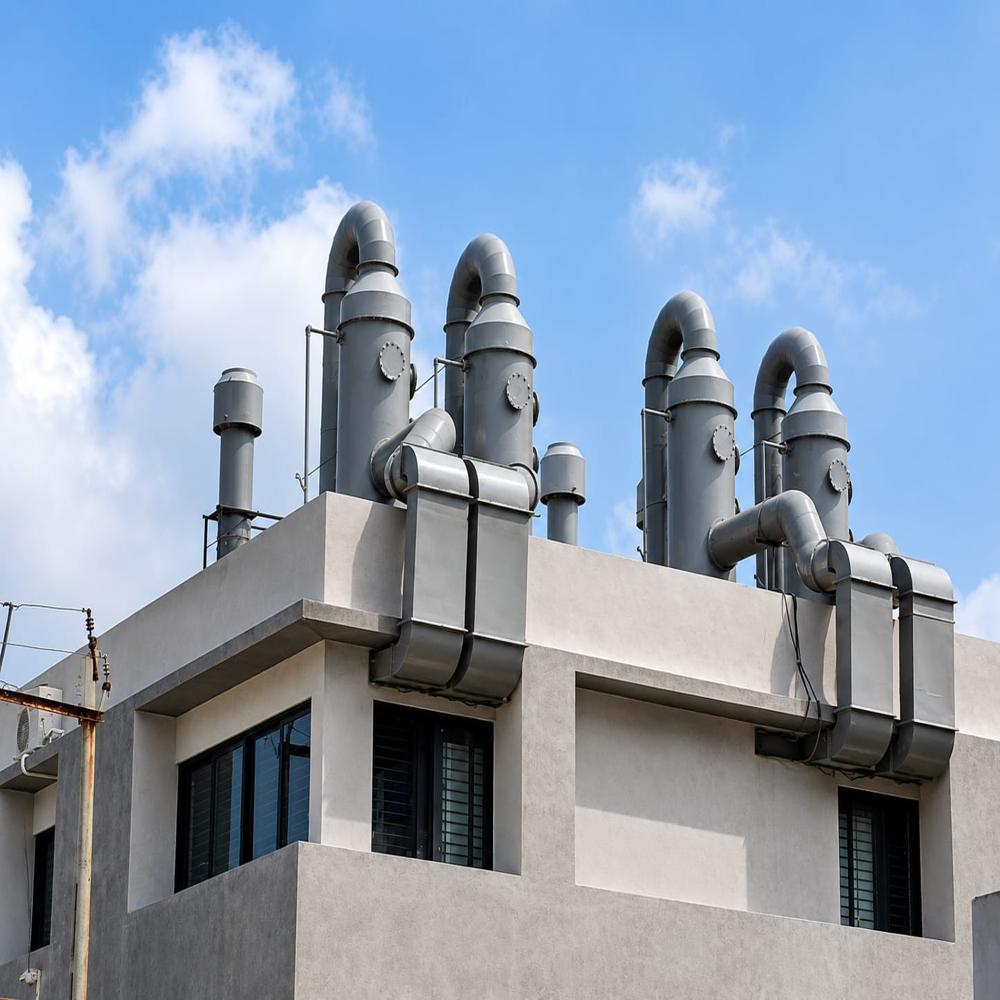
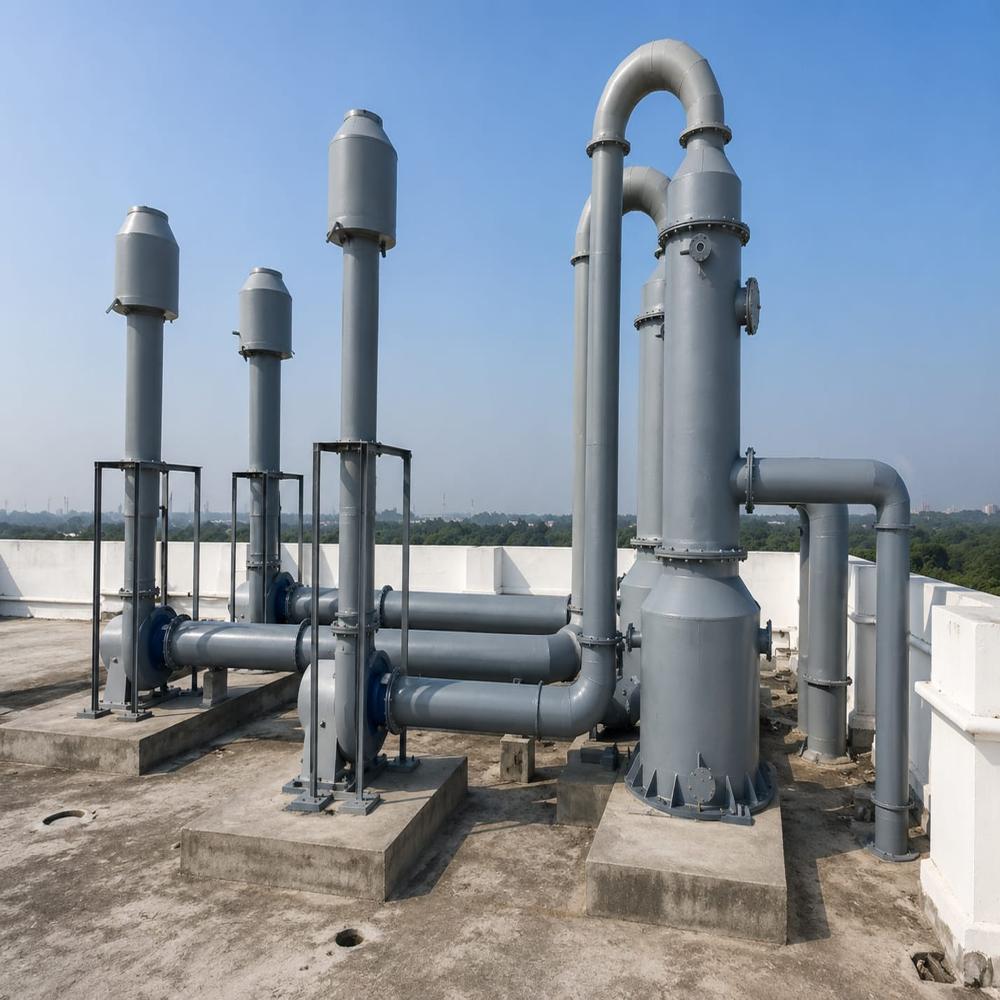
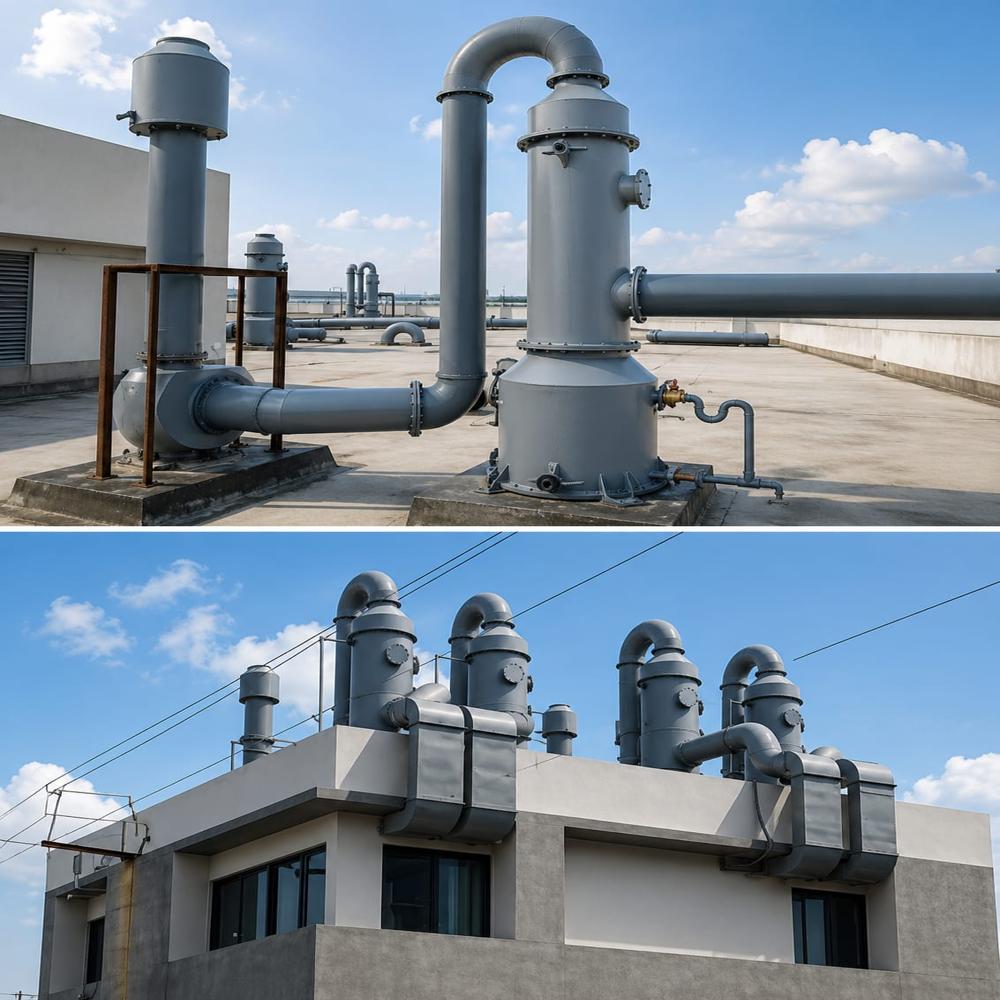
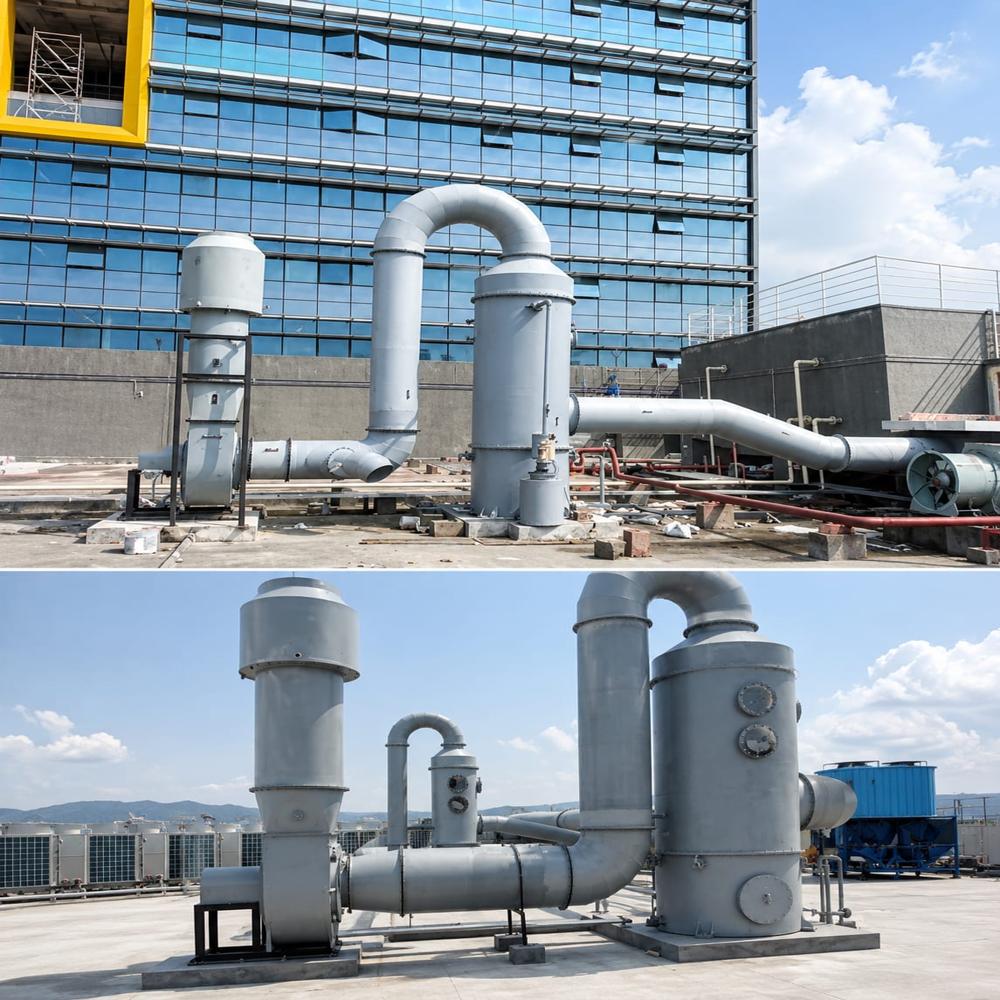
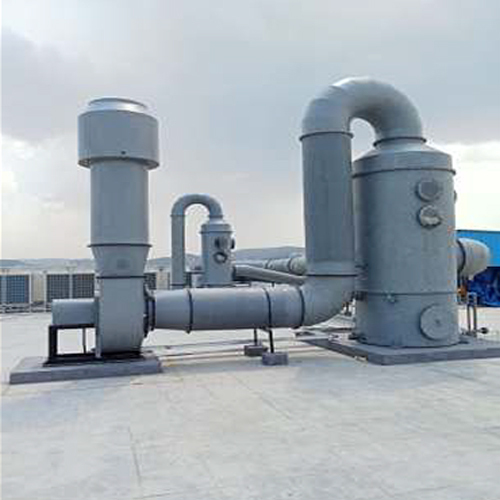
Description The Scrubber System is an advanced air pollution control solution designed to effectively remove harmful gases, chemical fumes, vapors, smoke, and airborne contaminants from industrial and laboratory exhaust systems. Engineered with high corrosion-resistant materials such as PP, FRP, PVC, or SS, the system ensures safe and efficient handling of aggressive chemical emissions. The scrubber works by passing contaminated air through a specially designed scrubbing chamber where pollutants are neutralized, absorbed, or filtered before clean air is discharged into the atmosphere. Its robust structure, high-performance blower system, and customizable co
Advanced Industrial Scrubbing TechnologyWith high-efficiency pollutant removal, this wet scrubber system utilizes centrifugal chemical process pumps and PP/FRP spray nozzles to target and cleanse industrial exhaust streams. The customizable structure-dimension, color, material, and control system-ensures accurate compatibility for each unique application, from chemical processing to large-scale ventilation systems.
Flexible, Durable, and Safe SolutionsDesigned with both the end-user and the environment in mind, the system includes overload protection, emergency stop features, and non-return valves. The construction utilizes high-grade materials such as mild steel with FRP/PP lining or SS316 for superior corrosion resistance. Skid-mounted and floor-mounted options facilitate easy installation and integration into existing infrastructures.
FAQ's of Industrial Scrubber System:
Q: How does the Industrial Scrubber System achieve over 98% scrubbing efficiency?
A: The system combines advanced centrifugal chemical process pumps, specialized PP/FRP spray nozzles, and engineered packing media (PP, PVC, ceramic Raschig Rings, or custom types) to ensure thorough contact between scrubbing liquid and waste gases, effectively capturing particulates and gaseous pollutants with over 98% efficiency.
Q: What maintenance is required and how accessible are internal components?
A: Routine maintenance primarily involves periodic cleaning and inspection of the packing media and nozzles, facilitated by easy-access doors. The robust construction and low-maintenance design minimize downtime and simplify routine checks.
Q: Where can the scrubber system be installed, and what mounting options are available?
A: The Industrial Scrubber System is suitable for a wide range of industrial environments, including air pollution control, chemical processing, and fume extraction facilities. It can be provided as a skid-mounted unit for rapid deployment or site-fabricated to meet unique location requirements, supporting both floor-mounted installations.
Q: What customization options are available for material, size, and color?
A: Clients can choose from materials such as mild steel with FRP/PP lining, SS316, and more, depending on the application. System dimensions, shapes (rectangular/cylindrical), and colors (industrial green/blue or custom) are all customizable to specific project needs or existing ductwork sizes.
Q: When is it necessary to consider the system's water consumption and power requirements?
A: Water usage, ranging from 100 to 400 L/hr, and power requirements (3 HP to 15 HP) are essential during system selection and facility planning, ensuring compatibility with existing utilities and ongoing operational sustainability.
Q: What safety and operational features does the system offer?
A: The scrubber includes safety measures such as overload protection, emergency stop buttons, non-return valves, and IP55/IP65-rated electric motors. Both manual and automatic controls are available, with analogue or digital displays according to the design.
Q: What are the primary benefits of using this Industrial Scrubber System?
A: Key benefits include high-efficiency pollutant filtration (>98%), corrosion resistance, low maintenance needs, robust construction for long service life, and user-friendly operation, all supporting strict air quality standards and regulatory compliance in industrial environments.






 Send Inquiry



 Send Inquiry
 Send Inquiry
 Send SMS